
Learn the Law, Lead the Future
Juris Doctor (JD)
A challenging and diverse curriculum. Hands-on experience. An immersive community.
Graduate Programs
Degree and certificate programs that include MLS, LLM, SJD, and visiting student opportunities.
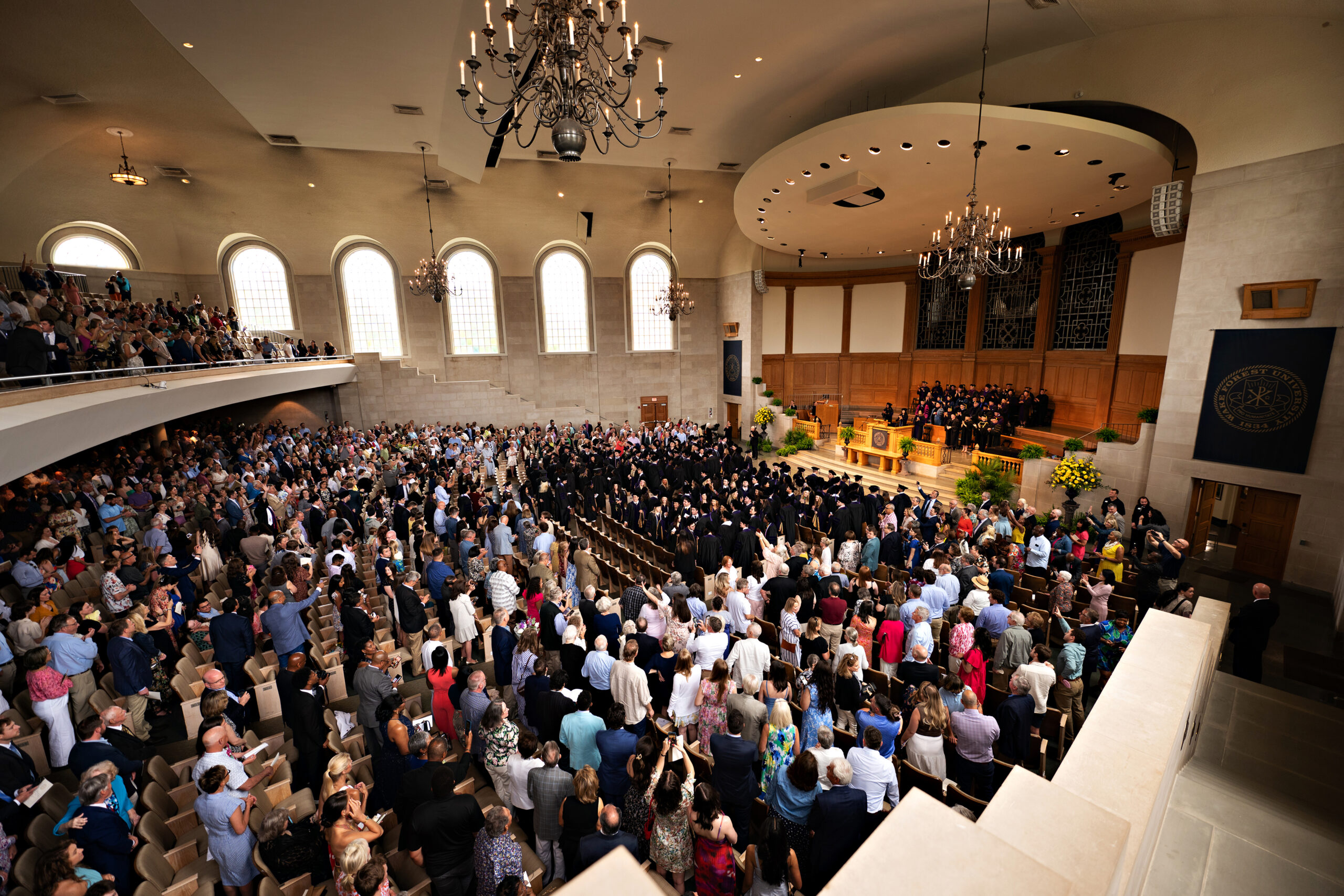

Our Law School, Our Community
Grow in Incredible Ways
We can’t wait to welcome you into our community, share in your journey, and celebrate your many achievements.
Hire from Wake Forest
We prepare the leaders of tomorrow. Our graduates are fully prepared to succeed in today’s legal market.
Pro Humanitate
Deeply embedded in the fabric of the Wake Forest community, Pro Humanitate (“for humanity”) is more than a motto, it’s a way of life.
News
- Legal Deacon Digest – October 2026
- Honoring the Mystery of Our Roots: The Origins of the Wake Forest Law Review

- Several New Alumni Join Law Board of Visitors and Rose Council
- Interview with Dr. Alyse Bertenthal
- Legal Deacon Digest – June 2026
- Engaged Scholarship: How Wake Forest Law Is on the Forefront of Scholarship That Has a Real-World Impact
- Wake Forest receives $5 million to expand the role of character-based leadership in legal education
- Professor Sania Anwar and Professor Kristie Bluett Join Wake Forest Law

What’s Happening at Wake Forest Law
Tomorrow (October 17), the Wake Forest Law Gold Sox will play in the Tobacco Road Softball Showdown! Get a behind-the-scenes view of the games as they take over the Wake Forest Law Instagram (@wfulawschool)! The showdown will begin at 8:00 a.m.


Check out the seventh video in our Application Tips & Pitfalls Series. Hear from Evan Didier, assistant dean of admissions & financial aid, as he shares advice on when to visit campus.

Happy World Mental Health Day from Wake Forest Law! Today is a great reminder to take care of yourself and check in on those around you. 💛 🖤 🌎


Check out the sixth video in our Application Tips & Pitfalls Series. Hear from Evan Didier, assistant dean of admissions & financial aid, as he shares best practices for punctuation in your application.

Legal knowledge isn’t just for attorneys.
In industries shaped by regulations, contracts, and compliance requirements, professionals often need a strong understanding of the law to make informed decisions and collaborate effectively with legal teams.
The Master of Legal Studies is designed for professionals who want legal fluency without becoming practicing attorneys.
Head to our bio to learn more.

Check out the fifth video in our Application Tips & Pitfalls Series. Hear from Evan Didier, assistant dean of admissions & financial aid, on the timing of law school.

3️⃣ 8️⃣ days remaining until Law Alumni & Homecoming Weekend! Come out and join us November 6-8 for a weekend to remember! Learn more and register at the link in our bio. @wfualumni
