Connect
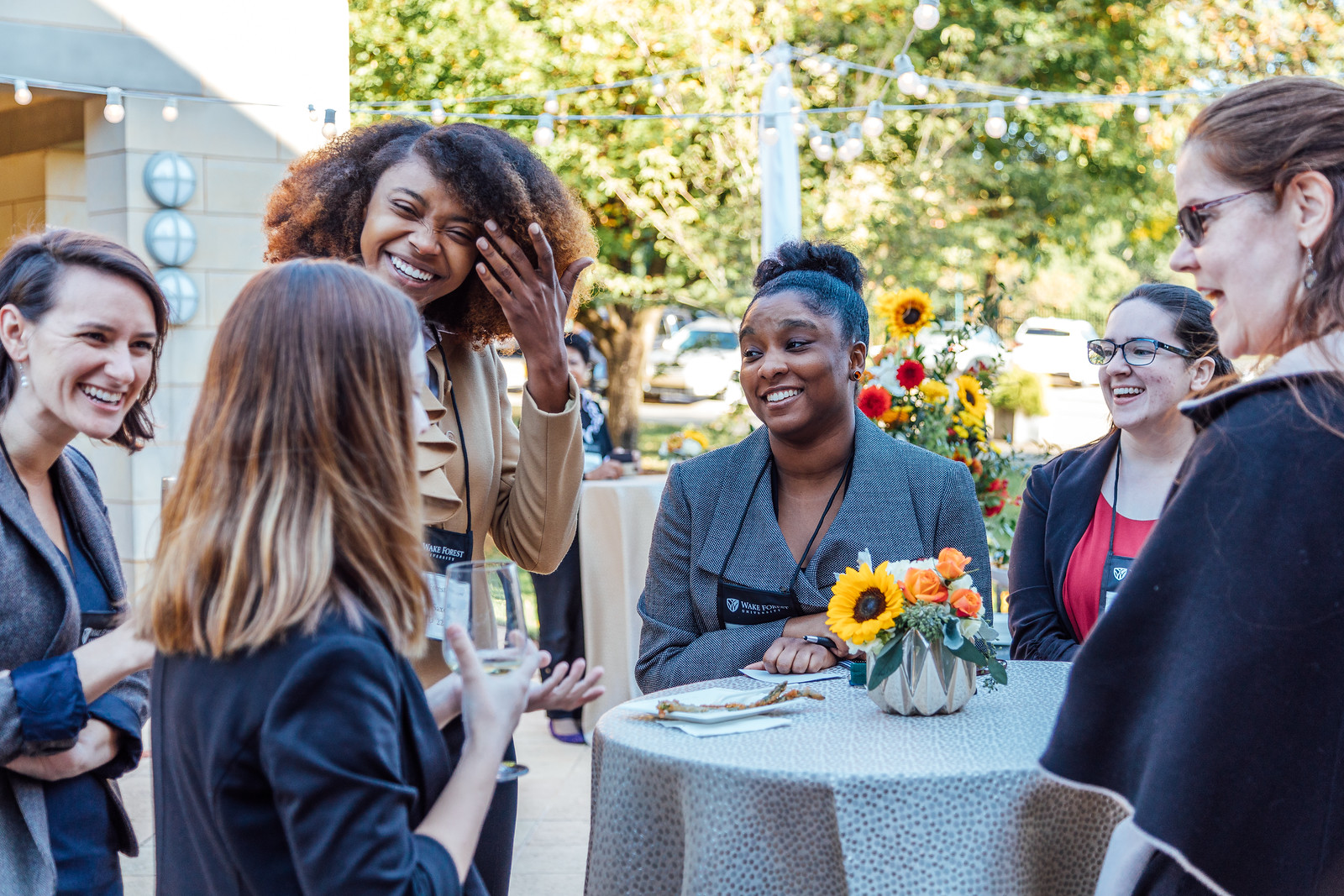
Connect with alumni and learn about ways to get involved with Wake Forest Law! Update your contact information with WakeNetwork to help us keep in touch, and let us know what’s new with you by submitting a Class Note to be featured in the Jurist. The Jurist and Legal Deacon Digest archives are stored here so you always have access to news about your fellow alums.

Update Your Contact Information with WakeNetwork
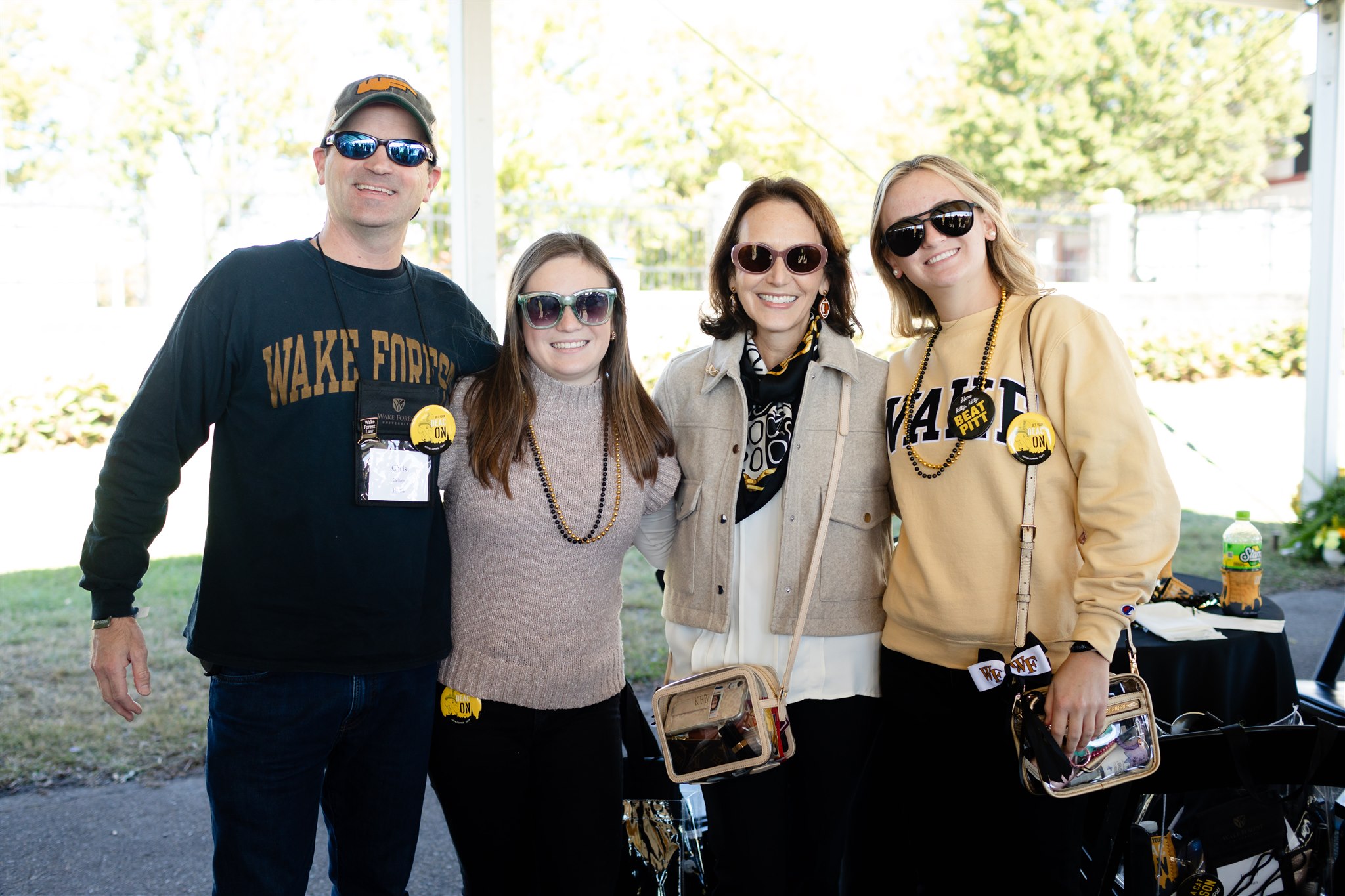
Submit a Class Note
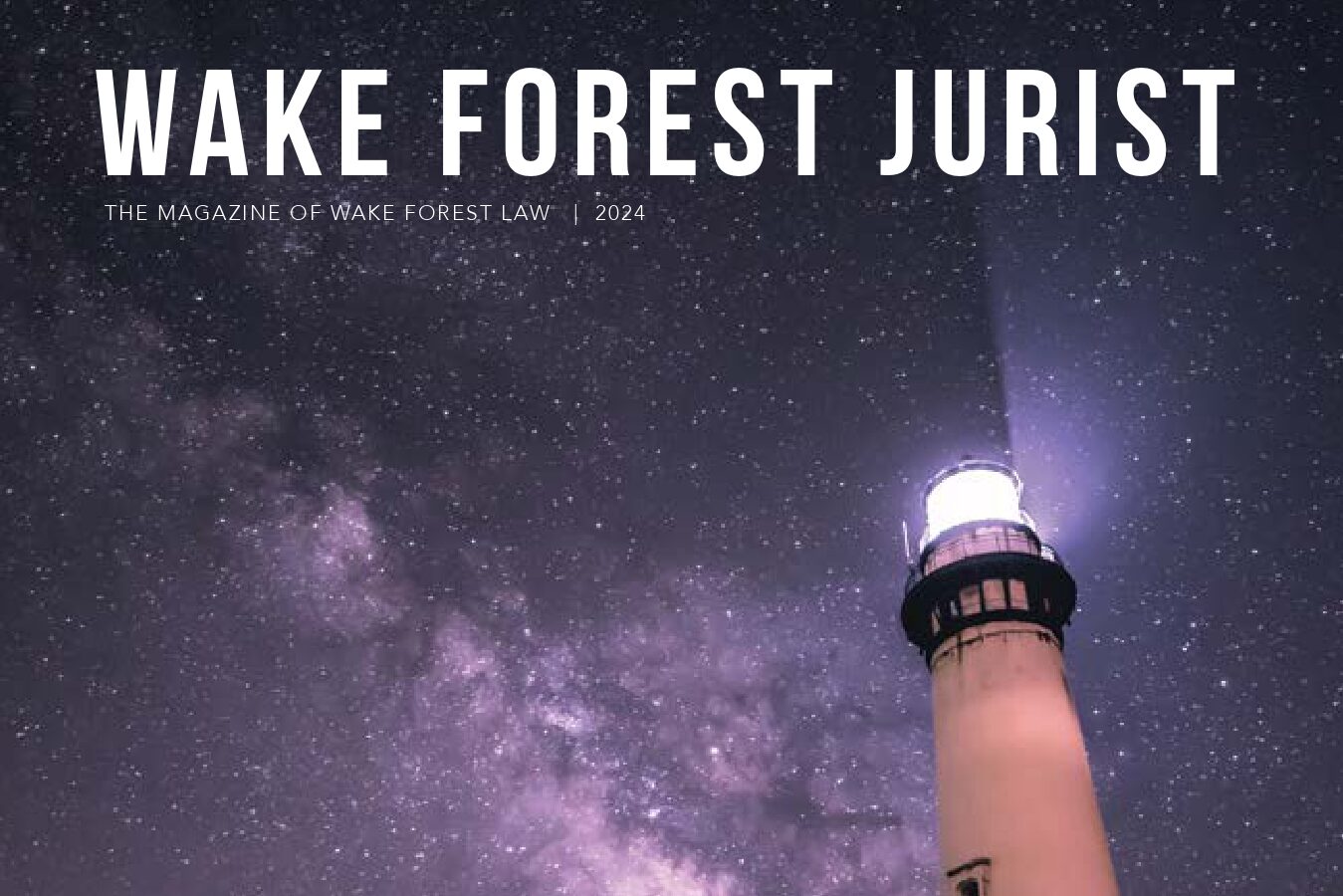
Jurist Archive
Legal Deacon Digest Archive
Follow us on social media!
On March 28, the Wake Forest Law community came together at Joymongers for the Public Interest Law Organization’s (PILO) annual Spring Auction.
The evening brought students, faculty, alumni, and friends together in support of a shared purpose: expanding access to public-interest opportunities. Through generous contributions and enthusiastic participation, the event raised critical funding for summer grants that enable students to pursue meaningful, service-driven legal work.
Thank you to everyone who attended, contributed, and helped support students pursuing public-interest work.


On Friday, March 27, 2026, the Wake Forest Law Review hosted the symposium “Injury, Insight, and Influence: Celebrating the Work of Professor Michael Green.”
The symposium honored former Wake Forest Law Professor Michael Green and his legacy as a scholar, teacher, and leader in tort law. Panels brought together leading voices in the field to explore pressing and emerging developments that build on Professor Green’s work.
Discussions included “Adjudicating Torts: Judges, Juries, & the Dynamics of the Civil Trial,” “Restating Responsibility: New Torts, Modern Harms, & Ethical Foundations,” “Accountability in Complex Systems: The Relationship Between Regulation & Tort Law,” and “Reflections on a Legacy: Lessons Learned from Michael Green About Life, Law, & Love.”
Thank you to the sponsors, panelists, moderators, and the Wake Forest Law Review for organizing a meaningful tribute to Professor Green’s lasting impact.

April is Earth Month—a time to focus on small changes that can make a big impact.
One of the easiest places to start? Food waste.
In the US, 30–40% of food goes uneaten—wasting money and resources, and contributing to climate change.
Try this to get started:
🌎 Check your fridge before shopping
🌎 Make a simple grocery list
🌎 Buy only what you’ll use
Follow along this month for more easy ways to waste less.

Did you know that in the 1980s, Wake Forest Law had not one, but two student newspapers: Hearsay and Ipse Dixit. On April 1, Ipse Dixit would publish a special April Fools issue, titled Ipse Non Dixit, with some wacky, off-the-walls articles and some that may have felt a little too real (four years of law school—eek!).
What do you think, should we resurrect Ipse Dixit??
@wfuniversity

In celebration of Women`s History Month, we asked our faculty, staff, and students, "Who is a woman you admire?" Here`s what they said. 💖
@emgoogs @_hinalpatel @sarah.godfrey_ @jchendrick1 @jessicarrosee bjorkmanveronica

On Saturday, March 21, 2026, the Black Law Students Association (BLSA) hosted its 41st Annual Scholarship Banquet at McCreary Tower in Winston-Salem.
This year’s theme, “Standing Strong: Resilience in the Face of Adversity,” celebrated the achievements of students and community members while uplifting the next generation of legal leaders.
The program featured a keynote address from Attorney Alexandria Hill, scholarship presentations by Judge Denise Hartsfield and Dean Blake D. Morant, and recognition of the James “Jimmy” Quander Moot Court Team, Mock Trial Team, award recipients, and BLSA’s graduating 3Ls. @blsawfu

The healthcare industry is evolving fast—are you ready to lead?
Wake Forest’s online MLS in Health Law and Policy equips professionals to navigate complex regulations, tackle legal and ethical challenges, and make informed decisions in a rapidly changing field.
Advance your career while making an impact. Link in bio
#OnlineMLS #OnlineLawSchool #LegalStudies

What. A. Deacs. Day. Of. Giving.
Thanks to the incredible Wake Forest Law community, we set a new historical record—surpassing last year in both total dollars raised and number of donors.
➡️ $240,300 raised
➡️ 218 donors
➡️ $140,000 in new scholarship support
Because of you, our #LegalDeacs will have even greater access to scholarships, hands-on learning, and opportunities that shape their futures.
We’re also proud to be among the top-performing schools in this year’s Wake Forest Fund.
Thank you for showing up for our students and for this community. @wfualumni

Contact Us
For more information on making a gift, volunteering, or connecting with other alumni, contact the Development and Alumni Engagement Office.