Heirs’ Property Project
Over 70,000 properties in North Carolina—valued at more than $5.5 billion—is held as heirs’ property, leaving tens of thousands of predominantly minority and low-income families at risk of losing their ancestral lands and homes.
Wake Forest Law’s Environmental Law & Policy Clinic is working with grassroots organizations across the state to provide and increase access to direct legal service for these families.
What Is Heirs’ Property?
Heirs’ property is a form of joint ownership of land by descendants of a person who died without a will or left the property to heirs as tenants in common. Heirs’ property owners often struggle with access to capital, and government assistance—and frequently suffer predatory dispossession. Heirs’ property is prevalent in the southeastern United States, and the majority of heirs’ property lies in communities of color and low-income communities, where it exacerbates threats to economic growth, the protection of land, and cultural identity.
Why Is There a Need for This Work?
Heirs’ property has been recognized as a significant issue by community advocates; policymakers; and federal, state, and local agencies. Owners of heirs’ property face unique challenges improving their land, stewarding its environmental condition, and protecting it against predatory development. Heirs’ property owners struggle to qualify for federal and state assistance, ranging from disaster recovery to agricultural loans and support. They generally cannot obtain loans against the land because they cannot demonstrate clear title. Additionally, court-ordered sales of land remain a persistent threat to heirs’ property land tenure.
Wake Forest Law students (working with government and academic experts) found parcels likely to be heirs’ property in all of North Carolina’s 100 counties. Heirs’ property is concentrated in overburdened and underserved communities, and these findings are consistent with other research, which estimates that 33-50% of rural Black-owned land in the southern United States is heirs’ property (Conner Bailey, 2017).
What Is the Work of the Heirs’ Property Project?
The Project was started in January 2023 at the urging of advocates working on heirs’ property issues in North Carolina. The Heirs’ Property Project is one of only a handful of law school clinics that provide direct legal services in these circumstances. Only a couple of organizations in the state of North Carolina provide legal and other services to heirs’ property owners. The Heirs’ Property Project was created to assist these organizations and landowners in four ways:
- Provide direct legal representation alongside conflict resolution and land management support to heirs’ property owners
- Build a pipeline of lawyers trained to manage heirs’ property cases
- Serve as a hub for research, learning, and interdisciplinary training on land rights issues in North Carolina
- Create a national network of law school clinics that provide direct legal services to heirs’ property owners
Working with our grassroots partners, the Project has already managed over 15 cases that involve several hundred heirs, close to a thousand acres of land, and several family homes. These include several clients seeking clear title to land they live on and hope to put toward productive use; three clients who successfully defended against partition actions that would have taken their homes, potentially leaving them homeless; and several clients investigating the possibility that heirs’ land was stolen from their families. We have also identified over 20 law schools with clinics actively working on heirs’ issues or interest in creating such clinics and brought them together for peer-to-peer learning.
How Does the Project Benefit Students?
Led by a supervising attorney and a law fellow and project co-director, the Project enrolls at least 12 law students each semester to provide legal services to clients referred from partner organizations. Students gain substantive experience in property law, trusts and estates, and other areas of law as they assist in representing heirs’ property owners toward clearing the title to land, resolving adjacent legal issues, and navigating state and federal land management programs. Students also gain hands-on experience building relationships with clients from rural and urban areas, providing trustworthy counsel, and thinking creatively about how to employ the law to meet clients’ goals.
Wake Forest Law students also partner with undergraduate students across Wake Forest University to provide clients with skilled support for family decision-making processes, as well as with environmental expertise to support heirs’ property owners in stewarding their land. For example, undergraduate students work with law students to help trace family genealogies and land titles and deeds.
Project Co-Lead
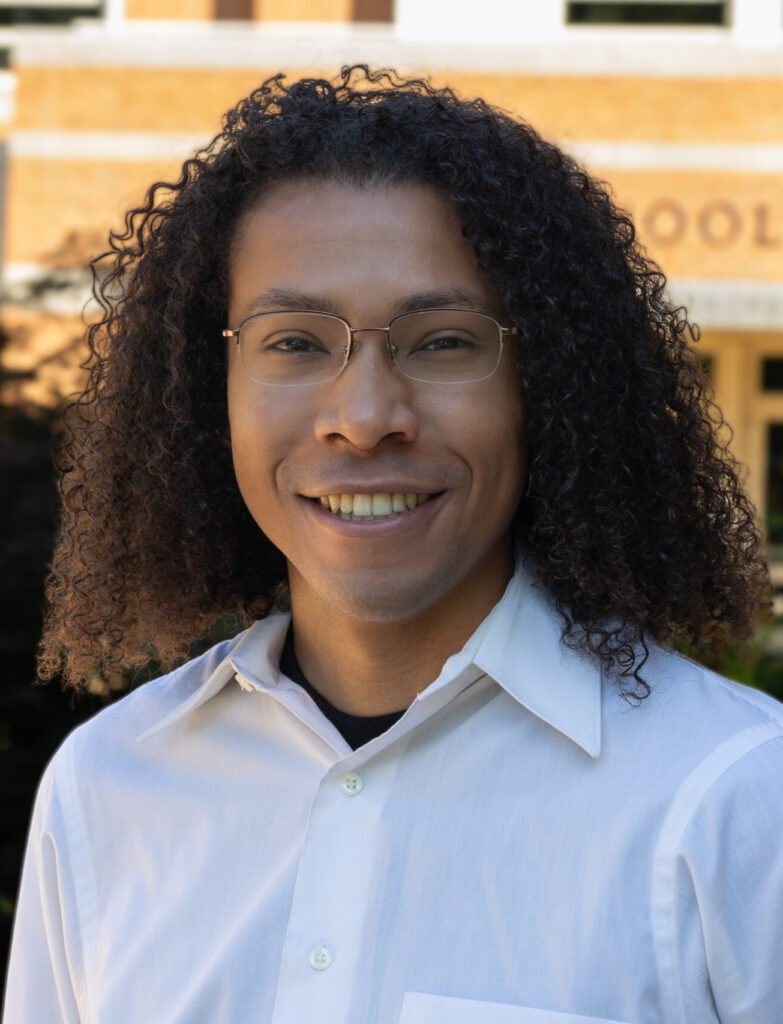
Miles Malbrough
Law Fellow, Environmental Law & Policy Clinic


Project Co-Lead

Scott Schang
Director, Environmental Law & Policy Clinic
Heirs’ Property Project
Featured on the Legal Deac Podcast
This episode of the Legal Deac Podcast explores the intricacies and inequities around heirs’ property, and how students involved in Wake Forest Law’s Heirs’ Property Project work to get justice for these North Carolinian families.
The Heirs’ Property Project provides a hub for training and research across disciplines. In addition to producing a pipeline of students with training in heirs’ property issues, the Project engages students and scholars in research on land rights issues, contributing to practical knowledge about the prevalence, origins, consequences, and social context of heirs’ property—as well as to broader conversations about the economic, social, and political trajectory of often overlooked rural and urban spaces.
How Does the Project Partner with Other Entities?
The Project convenes expert practitioners to provide training in heirs’ property and related issues to practicing North Carolina attorneys, and to foster an interdisciplinary approach to supporting rural communities as they protect and steward their land. The Project partners with other North Carolina law schools and organizations to help address heirs’ property issues through the existing working group on heirs’ property. This work is already being coordinated with over a dozen academic, community, and environmental groups, including American Farmland Trust, Black Family Land Trust, the Conservation Trust for North Carolina, Duke Law School, and the Land Loss Prevention Project.
The Project is made possible through generous donations from:
the Provost’s Office of Wake Forest University, Conservation Trust for North Carolina, Skadden Foundation, Wells Fargo Foundation with the Center for Community Progress, an anonymous donor, and others.
We believe Wake Forest and our partners are creating a viable, replicable model with the Heirs’ Property Project. We seek to provide desperately-needed services while simultaneously training attorneys who can carry this work to greater scale. Pedagogically, this work fosters interdisciplinary collaboration and provides students with experience in client engagement and legal work that are critical to helping students learn to be lawyers.
Director Scott Schang
For many heirs’ property owners, the land represents not just abstract history but a living embodiment of their ancestors’ legacies. Helping them protect their land is about protecting their ancestors’ hopes and hard work. But it’s also about the future: we know that heirs’ property, and the web of issues that surround it, are one of the greatest threats to economic opportunity and the preservation of local wealth in the rural South. It’s been thrilling, though unsurprising, to see students become so invested in these representations, and I’m honored to contribute to this work.
Former Law Fellow Jesse Williams
Working on an heirs’ property matter helped me get first-hand experience managing a real case (with proper supervision) that involved real people that needed help… I knew who my client was and I never felt lost or unsure of what the next step would be in the representation… I actually felt like I was making a difference: I was actively working towards a family getting use of their land back and ensuring they could improve it by consolidating ownership in the family.
Mathias Young
Working on an heir’s property matter was incredibly rewarding. I learned how to meticulously research chain of title and at times it felt more like solving a mystery than legal research. We were able to help the client locate 31 acres of his family’s missing land and start planning how to preserve his family’s ownership. Not only did I get to use legal concepts I learned in property, but I also got to learn about the history of the land, its meaning to my client and his family, and help him resolve unanswered questions.
Laura Merriman