
Supporting Service: How PILO Expands Opportunities in Public Interest Law
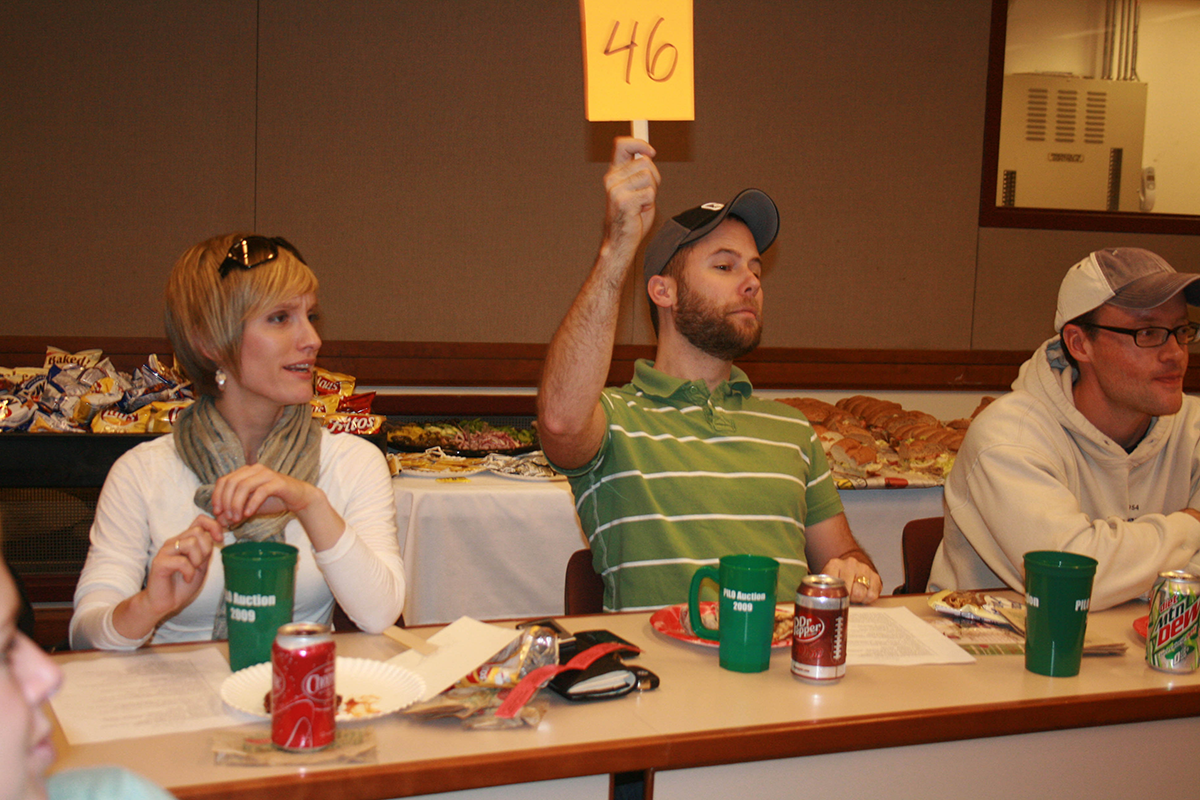
On March 28, 2026, students, faculty, staff, alumni, and friends of Wake Forest Law will gather at Joymongers for the Public Interest Law Organization’s (PILO) annual Spring Auction—one of the Law School’s most anticipated and beloved traditions. Faculty- and staff-donated experiences and gifts from local businesses will be auctioned off, but the heart of the evening extends well beyond the bidding. The event serves as PILO’s largest fundraiser, directly supporting summer grants for students pursuing public-interest work.
PILO is a student-run organization dedicated to supporting the needs of Wake Forest Law students interested in public interest work. Public interest encompasses career paths outside of firm work, including public defense, prosecution, judicial clerkships, government service, Legal Aid, and nonprofit advocacy. Each year, PILO typically helps to fund approximately 30 students who have accepted unpaid public interest internships during their 1L or 2L summers.
Many public interest internships are unpaid or offer limited compensation. Relocation costs, rent, and other financial obligations can create significant pressure on students. PILO’s summer grants are designed to help remove those barriers, ensuring that students can pursue service-oriented work without financial constraints dictating their choices.
Virginia Kelly (2L), who worked at the New Hampshire Public Defender’s Office in Stratham between her 1L and 2L years, experienced that support firsthand.
“Although I was lucky enough to have free housing in New Hampshire for the summer, I still had to pay my rent in North Carolina,” says Virginia. “Before I knew I was a recipient [of PILO funds], I was looking at job options, such as working 3:00–8:00 a.m. shifts at a local coffee shop, or a bartending job that I could go to after work to make enough money to pay my rent. The money allowed me to focus on my internship and to be able to show up 100% for my clients and supervisors.”
Aidan Carley (3L), who interned at Legal Aid of North Carolina in Charlotte in the summer of 2024, shared a similar experience.
“The grant I received helped me cover my bills for the summer, so I could focus 100% on my internship without having to worry about how to make some extra cash,” says Aidan.
PILO support also makes it possible for students to pursue internships in locations with a higher cost of living.
“The support of the PILO grants made it financially possible for me to relocate to Raleigh and Washington, DC, for my summers and gain public interest experience that would not have been available if I stayed in Winston-Salem,” says Katie Koesters (3L), who worked at the Wake County Public Defender’s Office in Raleigh and later at the Second Look Project in Washington, DC.

For Max Hafner (2L), who spent his summer with the Western District of Missouri Federal Defender’s Office in the Capital Habeas Unit, the ability to pursue public interest work aligns with a long-held sense of responsibility.
“I was interested in public interest law because I never could understand how someone could look at the world and see all of the suffering in it and not want to do something about it,” says Max.
For many students, that same sense of purpose is not only what draws them to public interest work, but also what is strengthened through their internship experiences.
“At the Second Look Project in particular, I began to narrow my focus on how I want to shape my career,” says Katie. “My law school public interest experiences have only deepened my understanding of these systemic issues, and my desire to change it for the better.”
Along the way, students also gain confidence as advocates.
“Being the only 1L intern in an office full of amazing attorneys can be very intimidating, but throughout the summer, I began to see that I am more prepared than I originally thought,” says Virginia. “I was able to anticipate arguments and add valued opinions, which was a huge confidence booster.”
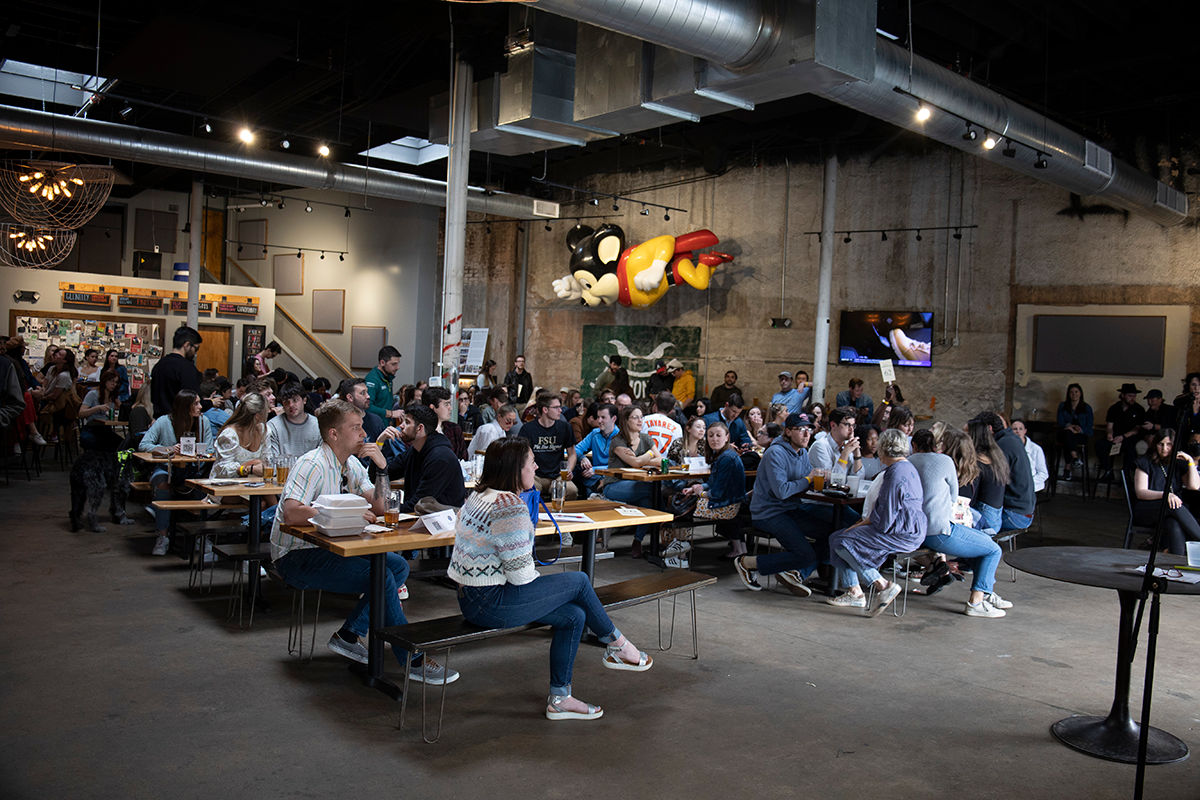
In addition to the skills and experience gained during their internships, students also build meaningful connections with their peers who are also interested in public interest work. In addition to providing financial support, PILO works with the Office of Career and Professional Development and hosts public-interest-focused panels throughout the year to help students navigate career pathways. Through its executive board leadership and programming, the organization strengthens a close-knit community within the Law School.
“Being a part of the PILO Board has allowed me to help strengthen our community and ensure other students have similar opportunities to the ones that shaped my law school experience,” says Katie.
That sense of community is on full display at the annual Spring Auction—a visible expression of Wake Forest Law’s collective commitment. Every faculty- and staff-donated experience and every local business donation supports the summer grants that allow Wake Forest Law students to serve communities across North Carolina and beyond.
“I wanted to help raise money because I don’t want students who are interested in public interest jobs to miss out on good opportunities because of the chronic underfunding of public service institutions,” says Max.In supporting PILO, the Wake Forest Law community affirms that a commitment to justice should not depend on personal financial circumstance. The annual auction offers one tangible way to live out Pro Humanitate—ensuring that students pursuing public interest careers can do so with focus, purpose, and support.
Categories: Featured, Our People, Our Stories